How Hard Water Affects Your Garden and What You Can Do About It
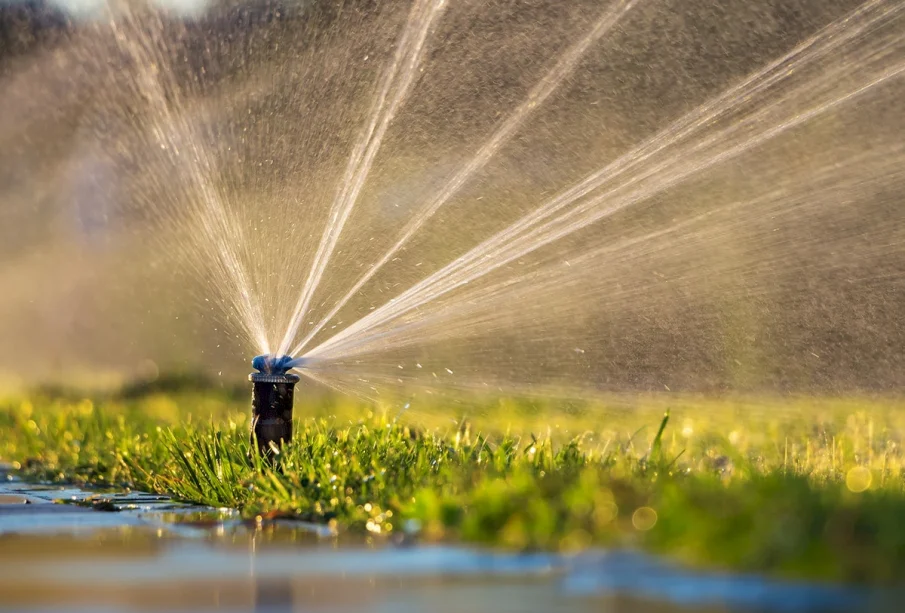
Not all water is created equal, and if you’re gardening in a hard water area, your plants could be getting more than just hydration. Hard water—water with a high concentration of calcium and magnesium—can quietly interfere with soil health, plant growth, and the lifespan of your irrigation system. Over time, its effects can become noticeable in everything from leaf discolouration to poor water distribution.
Whether you’re using a watering can or an automated system, being aware of your water quality is just as important as how much and how often you water. Solutions like those offered by TCR Watering often factor in these considerations when designing irrigation setups, particularly in areas known for hard water.
What Exactly Is Hard Water?
Hard water contains dissolved minerals, primarily calcium and magnesium, which are picked up as rainwater passes through limestone and chalk deposits underground. These minerals are not harmful to humans—in fact, they’re beneficial in drinking water—but they can cause issues in a garden setting.
You may have noticed a chalky residue on your taps or a white build-up on your hose fittings. That’s limescale, and it’s one of the visible signs of hard water. The same mineral content can also build up in soil and on plant surfaces over time, potentially affecting nutrient absorption and soil structure.
The Impact on Plants and Soil
One of the key issues with hard water is its effect on soil pH. The calcium and magnesium in hard water can gradually raise the pH level, making the soil more alkaline. While some plants can tolerate these conditions, many common garden species prefer slightly acidic to neutral soil. As the pH shifts, it can reduce the availability of essential nutrients like iron and phosphorus, leading to slower growth, leaf yellowing, or poor flowering.
Mineral build-up can also occur on leaves when overhead watering is used, leaving behind powdery white marks that may interfere with photosynthesis. While these deposits are mostly cosmetic in small amounts, over time they can create barriers that reduce a plant’s ability to absorb light and breathe properly.
Effects on Irrigation Equipment
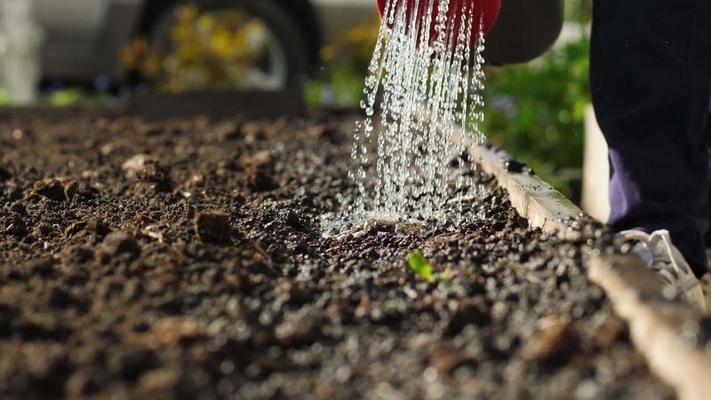
Hard water doesn’t just affect your plants—it can also shorten the life of your irrigation system. Limescale build-up inside pipes, emitters, and sprinkler heads can restrict water flow, reduce pressure, and cause uneven distribution. This is particularly problematic in drip systems, where narrow channels are more likely to become blocked.
Regular maintenance becomes more important in hard water areas. Flushing systems, using filters, or occasionally soaking components in a descaling solution can help keep everything running efficiently. Without proper care, the efficiency of even the most well-designed systems can drop over time.
Practical Ways to Manage Hard Water in the Garden
Completely avoiding hard water isn’t always possible, especially if it’s your main water source. However, there are several practical steps gardeners can take to reduce its impact:
- Mulching: Helps buffer the soil and prevents surface mineral deposits from accumulating.
- Collecting Rainwater: An excellent alternative for watering more sensitive plants, rainwater is naturally soft and free of minerals.
- Soil Testing: Regular pH testing allows you to catch shifts early and amend the soil as needed, using compost, sulphur, or organic matter to restore balance.
- Irrigation Filters: Adding a basic inline filter can reduce mineral particles before they enter the system.
- Watering at the Base: Focus watering directly into the root zone to limit mineral exposure on foliage.
Understanding the characteristics of your local water supply helps you make more informed decisions in your garden. Small adjustments can protect plant health, improve irrigation performance, and help your outdoor space flourish despite the challenges of hard water.