Why On Site Infrastructure Matters More Than Ever for Large Landscaping Projects
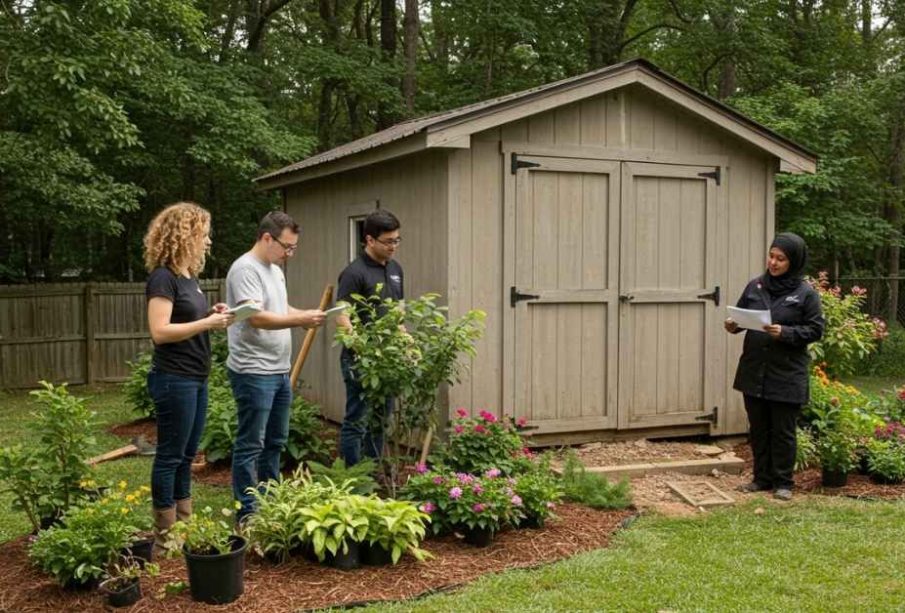
On many sites, landscaping is no longer the final, quick tidy-up before handover. It’s a structured phase of work with deadlines, inspections, multiple stakeholders and often more than one crew moving in and out over weeks or months. That shift is one reason sheds for landscape gardeners have become a genuinely useful part of how teams keep projects running smoothly, protecting tools and materials, and reducing the daily friction that slows outdoor work down.
When you look at what causes landscaping projects to fall behind, it is rarely a lack of skill or effort. It is usually the build-up of small operational problems that eat away at time and consistency.
Landscaping Has Become More Like Site Delivery
Large residential developments, commercial grounds, school rebuilds and public spaces increasingly treat landscaping as part of the build programme rather than an add-on. That means tighter scheduling, stricter health and safety expectations, and a need for on-site organisation that matches the standards of other trades.
For landscape teams, this often involves working around multiple constraints at once. Access routes may change as other work progresses. Storage areas may be shared. Deliveries can arrive at inconvenient times. Weather adds another layer of unpredictability. Having reliable on-site infrastructure helps teams absorb these variables without losing momentum.
The practical reality is that a well-run landscaping phase looks less like a series of isolated gardening tasks and more like managed site delivery.
Time Loss Comes from Repeated Set-Up, Not the Work Itself
A surprising amount of wasted time on landscaping projects comes from things that feel minor in isolation. Tools left in vehicles. Materials stacked in awkward corners. Equipment needing to be collected from off-site storage. Crews spending the first part of each day sorting, locating or moving items before productive work even begins.
These small inefficiencies compound, especially over longer projects. Five minutes lost here and ten minutes lost there quickly becomes hours across a week, then days across a month.
When teams can store tools securely on site and keep frequently used equipment close to where work is happening, the day starts faster and runs more smoothly. It also reduces end-of-day packing routines that drain energy when crews are already tired.
Protecting Tools and Materials Protects Quality
Landscaping relies on equipment that needs to be in good working order. Damaged tools, wet materials or missing fittings slow work down and affect results. When items are exposed to moisture, theft risk or accidental damage on busy sites, it creates disruption that is difficult to predict and expensive to recover from.
Secure storage isn’t just about protecting assets. It protects quality and consistency. When crews have reliable access to their full kit, they can complete tasks properly rather than improvising.
This also reduces stress. Teams can concentrate on work rather than worrying about whether items are safe overnight or whether something will be missing in the morning.
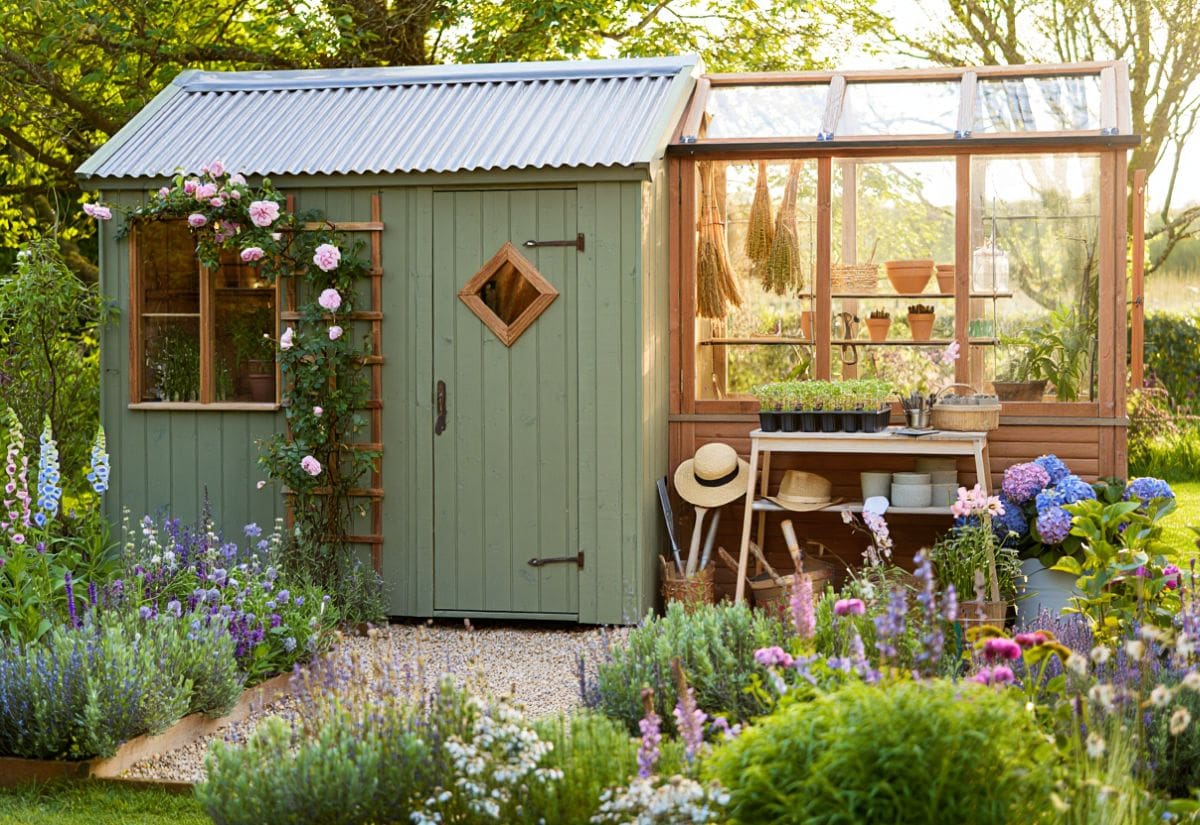
Continuity Between Phases Makes a Big Difference
Landscaping often happens in phases. Weather delays, client sign-off, planting schedules and coordination with other trades all create stop-start patterns. The difference between a project that restarts smoothly and one that becomes chaotic often comes down to continuity.
If equipment and materials can remain organised and protected on site, restarting feels like continuing. If everything has to be dismantled, transported and rebuilt each time, momentum disappears.
Continuity also improves communication. When a site stays organised, teams can see what is complete, what is staged and what is ready next. That visibility reduces confusion and prevents duplicated effort.
Professional Site Presence Affects Perception
In larger projects, perception matters. Developers, site managers and clients notice how teams operate, not just the final result. A tidy, well-managed setup signals competence and reduces concerns about disruption or safety.
For landscape contractors, this professional presence can influence repeat work. It is easier for stakeholders to trust a team that looks organised and in control, especially on sites where multiple trades compete for time and space.
A good site setup is a quiet form of reputation building. It shows that the team plans properly, works safely and treats the project as a serious delivery rather than an informal add-on.
Small Infrastructure Choices Can Remove Big Operational Headaches
Landscaping work will always involve unpredictability. Weather changes. Ground conditions surprise you. Timelines shift. Those realities aren’t going away. What can change is how resilient a team is when those variables appear.
Having practical on-site infrastructure reduces the number of avoidable problems. It keeps tools accessible, materials protected and daily routines efficient. Over the length of a project, that stability makes a measurable difference to delivery.
When landscaping is treated as a structured phase of site work, the teams that succeed consistently are often the ones that remove friction from the basics, so skill and effort can go where they matter most.