How Travel Apps Simplify Journeys
Travel has evolved dramatically in the past decade. What once required printed tickets, folded maps, and handwritten itineraries can now be managed through a single device. Travel apps have transformed how people plan, navigate, book, and experience their trips—whether for business or leisure.
From real-time navigation to instant booking confirmations, these digital tools reduce uncertainty and give travelers more control. Here’s a closer look at how travel apps make modern journeys simpler and more efficient.
Seamless Trip Planning in Minutes
Planning a trip used to involve multiple phone calls, guidebooks, and physical travel agencies. Today, apps consolidate everything into one platform.
What They Help You Do:
-
Search and compare flights in real time
-
Book hotels and accommodations instantly
-
Explore car rentals and local transport options
-
Access reviews, photos, and traveler ratings
-
Store digital itineraries in one place
Many platforms integrate multiple services, eliminating the need to switch between websites. This integration saves time and reduces the risk of booking errors.
Real-Time Navigation and Directions
Getting lost in an unfamiliar city can be stressful. Navigation apps provide live updates, ensuring users reach their destinations smoothly.
Key Benefits:
-
Turn-by-turn GPS directions
-
Real-time traffic alerts
-
Public transit schedules
-
Offline maps for areas with poor connectivity
-
Alternative route suggestions
Instead of relying on printed maps or asking strangers for directions, travelers can confidently navigate cities, rural areas, and even hiking trails.
Easy Access to Tickets and Boarding Passes
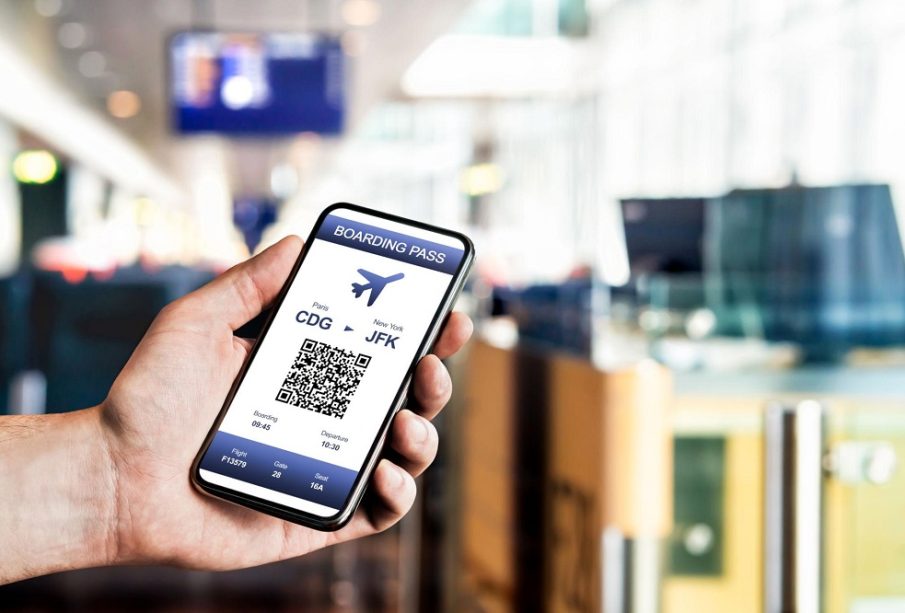
Paper tickets are quickly becoming obsolete. Travel apps now store digital versions of boarding passes, train tickets, and event passes.
Advantages Include:
-
Reduced risk of losing physical tickets
-
Quick scanning at airports and stations
-
Instant updates for delays or gate changes
-
Automatic check-in notifications
With everything stored digitally, travelers avoid last-minute scrambles at check-in counters.
Instant Communication and Support
Unexpected situations—like flight cancellations or missed connections—can disrupt any journey. Travel apps simplify problem-solving by offering immediate support features.
Common Support Features:
-
In-app chat with customer service
-
Real-time flight status updates
-
Cancellation and refund options
-
Push notifications for travel alerts
Instead of waiting on hold for assistance, users can often resolve issues directly within the app.
Expense Tracking and Budget Management
Budget management is critical during travel. Several apps help users monitor spending throughout their trip.
How They Help:
-
Track daily expenses
-
Convert currencies automatically
-
Categorize spending (food, transport, lodging)
-
Set travel budgets
This functionality ensures travelers stay within financial limits without needing separate spreadsheets or manual tracking.
Personalized Travel Experiences
Modern travel apps use data to customize recommendations based on user preferences.
Personalization May Include:
-
Restaurant suggestions based on dietary needs
-
Event recommendations near your location
-
Attraction suggestions aligned with past searches
-
Weather-based activity alerts
Personalization reduces research time and helps travelers discover experiences they might otherwise miss.
Offline Accessibility for Remote Travel
Not all destinations offer reliable internet access. Many travel apps now provide offline functionality.
Offline Features Often Include:
-
Downloadable maps
-
Saved booking confirmations
-
Language translation tools
-
Emergency contact information
This ensures that even in remote areas, travelers retain access to essential information.
Language Translation and Local Integration
Language barriers can complicate international travel. Translation apps and integrated language tools simplify communication.
Common Translation Tools:
-
Text translation
-
Voice translation
-
Image-based translation (e.g., signs and menus)
These tools make it easier to interact with locals, read transportation signs, and order meals confidently.
Enhanced Safety and Travel Alerts
Safety is a priority for every traveler. Many travel apps provide real-time alerts related to:
-
Weather disruptions
-
Political unrest
-
Health advisories
-
Natural disasters
Some also include emergency location sharing, allowing family members to track travel progress for added peace of mind.
Reduced Stress Through Organization
At their core, travel apps act as digital organizers. Instead of juggling emails, printed confirmations, and scattered notes, travelers can manage everything in one centralized location.
This level of organization:
-
Minimizes travel-related anxiety
-
Reduces forgotten bookings
-
Saves time at transit points
-
Improves overall travel efficiency
The result is a smoother, more enjoyable journey.
Frequently Asked Questions (FAQ)
1. Are travel apps safe to use for bookings and payments?
Most reputable travel apps use encrypted payment systems and secure authentication methods. However, users should always download apps from official app stores and enable two-factor authentication when available.
2. Do travel apps work without internet access?
Many travel apps offer offline features such as downloadable maps and saved itineraries. However, certain services like real-time updates require an internet connection.
3. Can travel apps replace traditional travel agents?
For standard trips, travel apps can handle most booking and planning tasks. Complex itineraries or luxury experiences may still benefit from professional travel advisors.
4. Are travel apps free to use?
Most apps are free to download. Revenue typically comes from booking commissions, advertisements, or premium features.
5. How accurate are real-time flight and traffic updates?
Travel apps pull data from airlines, transportation authorities, and GPS systems. While generally reliable, occasional delays in data syncing can occur.
6. Do travel apps increase trip costs?
Not necessarily. Many apps allow price comparison across providers, helping users find competitive deals. However, convenience fees may apply in some cases.
7. What should travelers consider before choosing a travel app?
Users should evaluate features, user reviews, offline capabilities, security measures, and customer support responsiveness before committing to a specific platform.